Ramsha: The Handwritten Font That Elevates Small Business Branding
As a small business owner, I have learned that branding is not just about a logo or a color palette. It is about the feeling your customers get when they interact with your brand. One of the most overlooked elements of that experience is typography. For years, I struggled to find a font that felt personal yet professional enough for my product labels and social media graphics. Then I discovered Ramsha, an incredibly beautiful handwritten font that has transformed how I communicate with my audience.
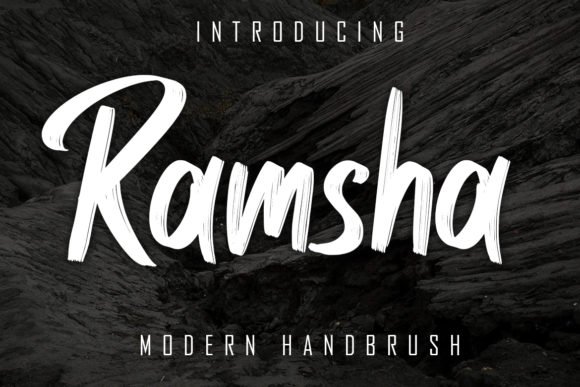
Ramsha is not just another decorative typeface; it is a masterfully designed Script Handwritten font that brings a human touch to digital and print materials. When you are running a boutique, a café, or an online shop, consistency is key to building trust. Ramsha helps achieve that consistency by offering a unique visual identity that stands out in a crowded marketplace. Whether you are designing packaging for handmade candles, creating Instagram posts for a coaching service, or printing menus for a local restaurant, this creative font can bring each of your creative ideas to the highest level.
Why Personality Matters in Modern Typography
In today’s digital-first world, customers scroll past hundreds of brands daily. To stop the scroll, your visuals need to tell a story instantly. A generic sans serif font might be clean, but it often lacks soul. On the other hand, overly ornate fonts can be hard to read. Ramsha strikes a perfect balance. Its flowing strokes and natural rhythm mimic the elegance of real handwriting, which subconsciously signals authenticity and care to your customers.
This font works exceptionally well for businesses that want to appear approachable yet sophisticated. Imagine using Ramsha on a thank-you card included in your package. The personal touch of a handwritten-style font makes the customer feel valued, increasing the likelihood of repeat purchases. Similarly, when used on website banners or Pinterest graphics, it adds a layer of artistry that static text simply cannot provide. By choosing a premium font like Ramsha, you are investing in a design asset that enhances your overall brand identity without requiring complex graphic design skills.
Practical Applications Across Business Touchpoints
The versatility of Ramsha allows it to be integrated into almost every aspect of your business operations. Here is how you can practically apply this typeface to improve your marketing and sales materials:
- Product Labels and Packaging Design: For sellers of cosmetics, baked goods, or artisanal gifts, the label is often the first physical interaction a customer has with your product. Using Ramsha as the primary display font on jars, boxes, or stickers creates an immediate sense of quality. It looks custom-made rather than mass-produced.
- Social Media Graphics: Consistency across platforms builds recognition. Use Ramsha for headlines in your Instagram posts, stories, and Pinterest pins. Because it is a script font, it pairs beautifully with minimal backgrounds, allowing your product photos to remain the focal point while adding a stylish overlay.
- Menus and Flyers: Café owners and event planners can use Ramsha to highlight special items or event titles. Its elegant curves add a touch of luxury to printed flyers or digital event invitations, making them more likely to be saved or shared.
- Business Cards and Letterheads: While body text should remain readable, using Ramsha for your name or business title on a business card adds a memorable signature element. It reinforces your personal brand and makes your contact information easier to recall.
- Website Visuals: In web design, headers and call-to-action buttons benefit from distinctive typography. Ramsha can serve as an accent font for hero sections, drawing attention to your value proposition without compromising load times or accessibility.
Strategic Font Pairing for Readability
One common mistake new entrepreneurs make is using too many decorative fonts. To maintain a professional look, it is crucial to pair Ramsha with simpler, highly readable typefaces. This technique, known as font pairing, ensures that your message is clear while still retaining aesthetic appeal.
A classic and effective strategy is to pair this expressive script font with a clean sans serif font for body text. The contrast between the organic, flowing lines of Ramsha and the geometric simplicity of a sans serif creates a modern, balanced hierarchy. For example, you might use Ramsha for the headline "Freshly Baked" and a clean sans serif for the ingredients list on your bakery packaging.
Alternatively, if your brand leans towards a more traditional or editorial vibe, consider pairing Ramsha with a classic serif font. This combination evokes a sense of heritage and reliability, which is ideal for law firms, consulting services, or high-end jewelry brands. The key is to let Ramsha shine as the star while the supporting typeface handles the heavy lifting of information delivery.
When to Use Ramsha as a Headline vs. Body Text
While Ramsha is stunning, it is primarily designed as a display font. Display fonts are meant to be seen at larger sizes where their details can be appreciated. Using Ramsha for long paragraphs of text on a website or manual can lead to readability issues, especially on mobile screens where users scan content quickly.
Reserve Ramsha for short phrases, logos, quotes, and headings. If you need to convey detailed information, such as shipping policies, ingredient lists, or service descriptions, stick to a neutral typeface. This distinction ensures that your brand looks intentional and user-friendly. Remember, good design guides the eye; it does not hinder it.
Testing Before You Commit
Before finalizing your brand assets, it is wise to test Ramsha in various contexts. Download the font and create mockups of your actual products. Print out business cards or labels to see how the ink interacts with the paper texture. View your social media graphics on different device sizes to ensure the script remains legible at thumbnail size.
Real-world testing reveals nuances that screen previews might miss. You might find that Ramsha looks slightly too thin on certain dark backgrounds, prompting you to adjust the weight or color. These small adjustments can significantly impact the perceived professionalism of your brand. By taking the time to test, you avoid costly reprints and ensure that your investment in this creative font pays off in increased brand recognition.
Understanding Commercial Licensing
Finally, as an entrepreneur, it is vital to respect intellectual property rights. Always check the commercial font licensing agreement before using Ramsha on products, packaging, templates, merchandise, client work, or digital downloads. Most premium fonts require a separate license for commercial use compared to personal projects. Ensuring you have the correct license protects your business from legal issues and supports the designers who create these valuable tools.
By integrating Ramsha thoughtfully into your branding strategy, you move beyond simple decoration to create a cohesive, trustworthy, and memorable business presence. It is a small change in typography that yields big results in customer perception.